
Science in Motion: Tracking the Heart's Response to Exercise | Ciência em Movimento: Acompanhar a Resposta do Coração ao Exercício
What happens to your heart when you exercise? Grade 9 students did not simply answer that question in theory — they experienced it, measured it, and explained it through a collaborative learning project that brought together Biology and Physical Education.
As part of their Biology unit on Transport in Humans, students designed and carried out an investigation into the effect of physical exercise on pulse rate. With Physical Education providing the ideal real-world laboratory, learning moved beyond the classroom and into active practice.
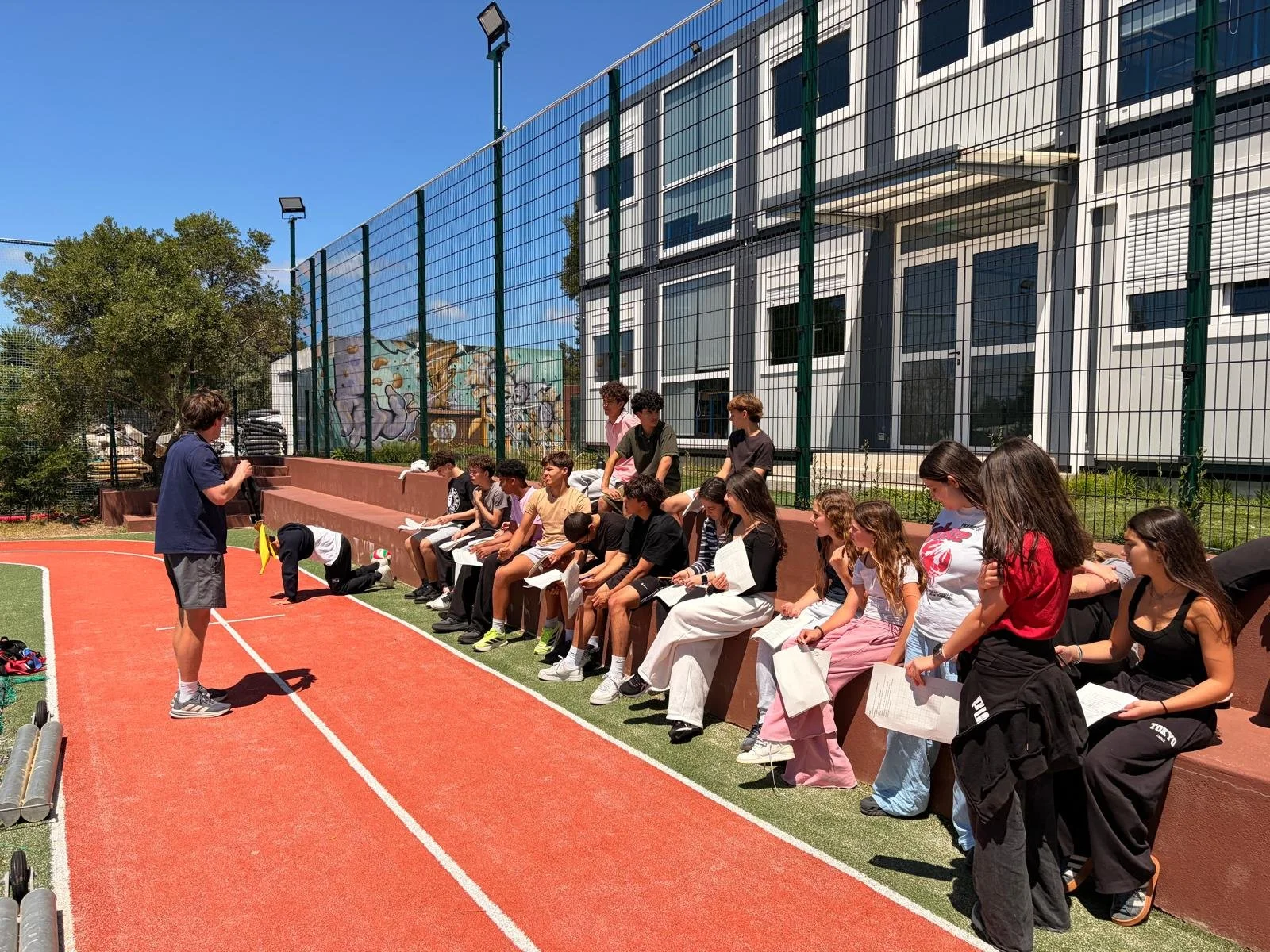
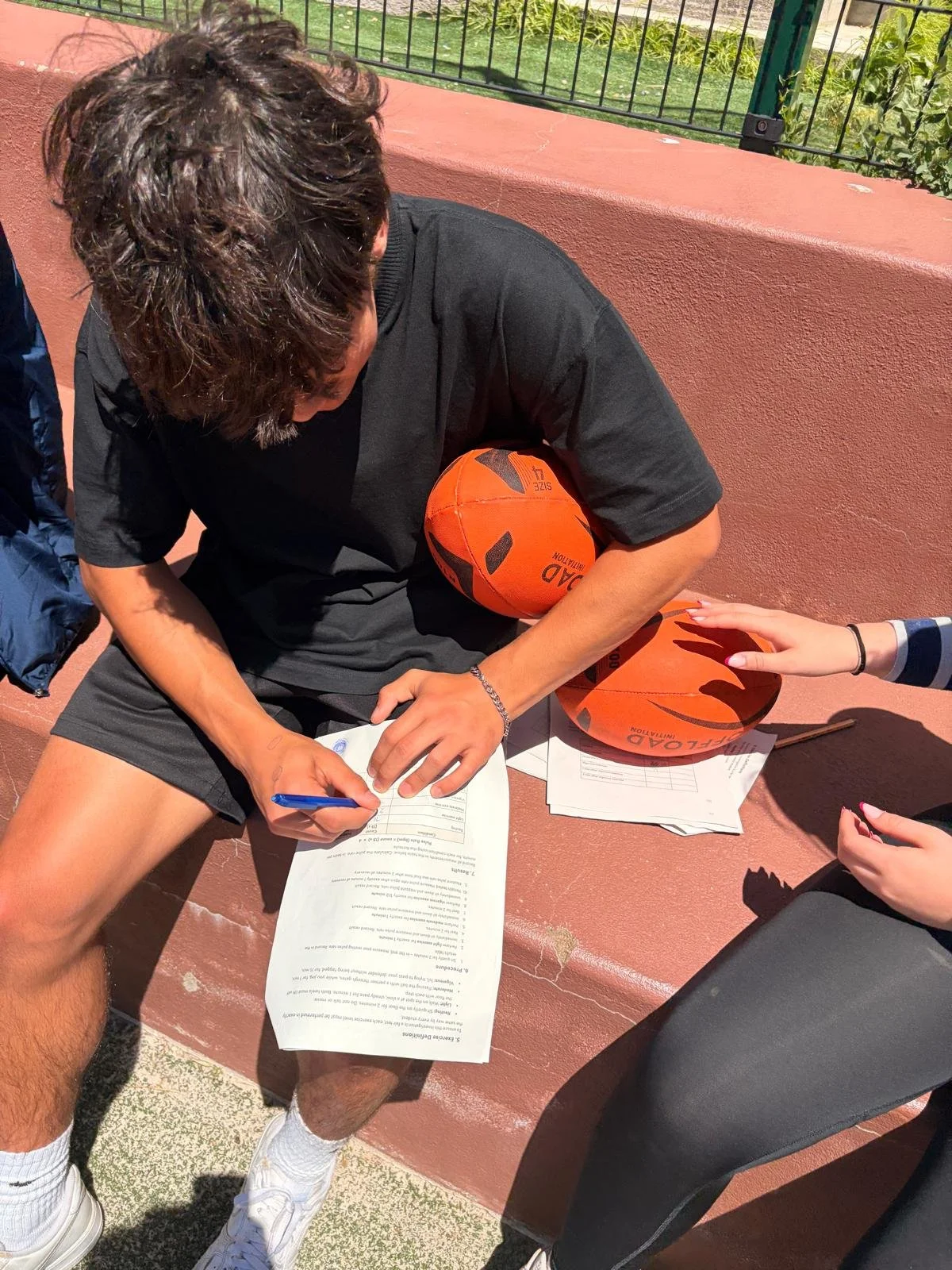
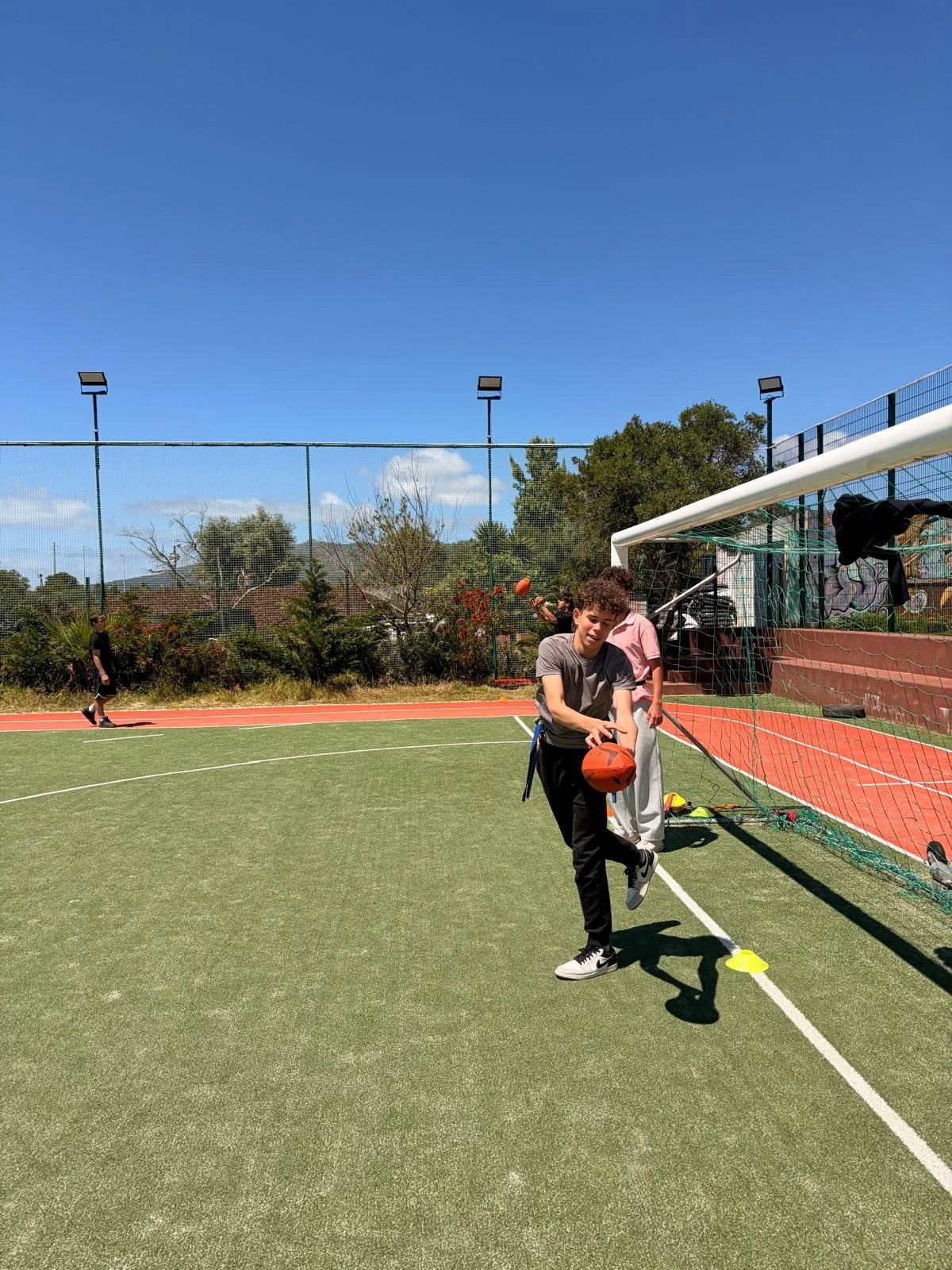
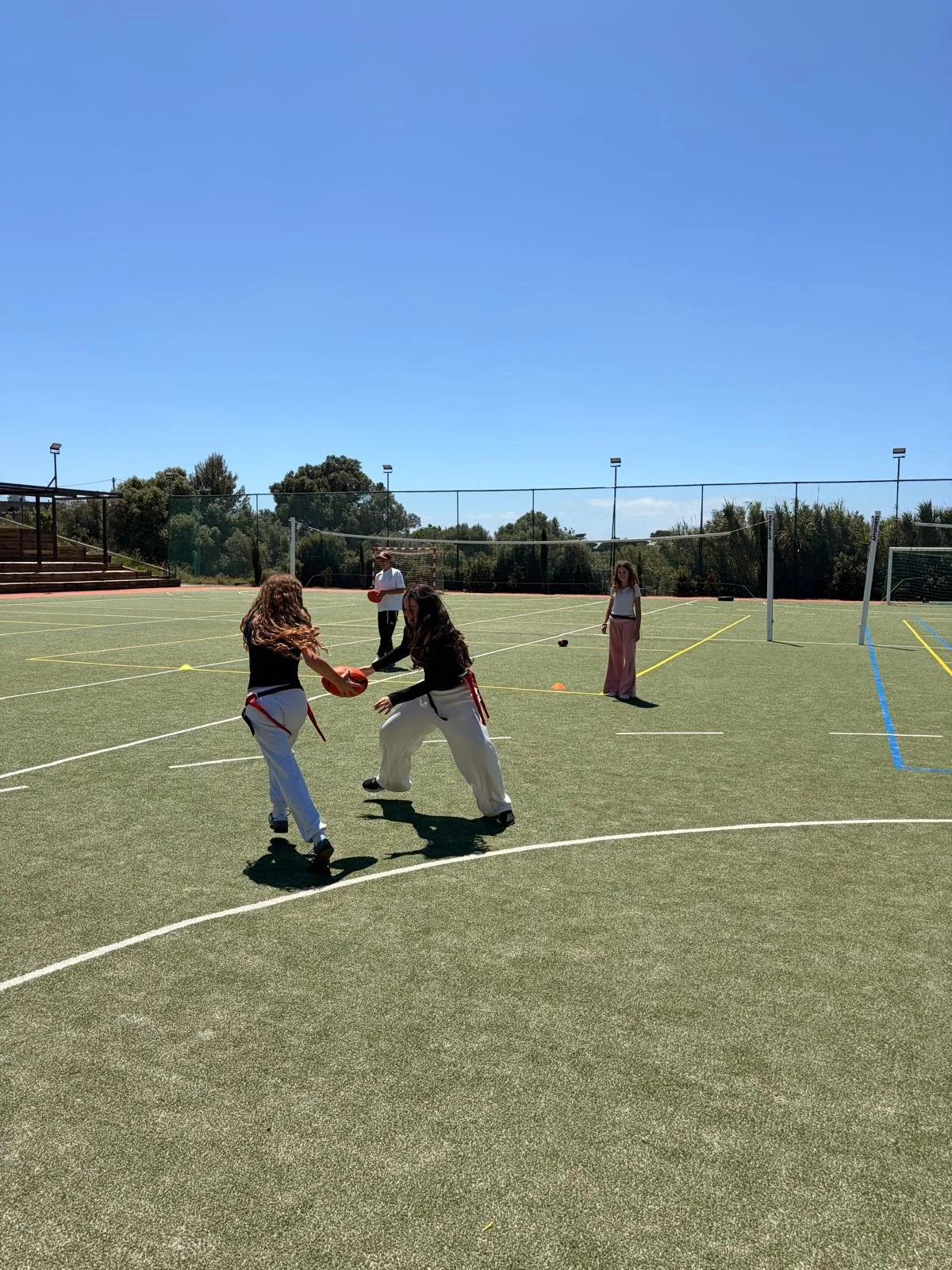
Students first learned how to measure pulse rate accurately before collecting data during a range of activities with increasing levels of intensity. From resting and walking to more demanding exercises such as burpees, they gathered evidence of how the body responds to physical activity.
Back in the classroom, students analysed their results and represented their findings through graphs. They then took their investigation a step further by explaining the patterns they observed using key biological concepts, including cardiac output, oxygen demand, and the body's response to increased activity.
This project showcased inquiry-based learning at its best. Students moved through the full scientific process — from data collection and analysis to interpretation and explanation — developing not only their scientific knowledge but also the critical thinking skills that underpin successful scientific enquiry.
Because the investigation focused on their own bodies and their own data, the learning was immediate, relevant, and engaging. It was a powerful example of how meaningful connections between subjects can deepen understanding and bring learning to life.
Experiences such as this remind us that some of the most powerful learning takes place when disciplines work together.
O que acontece ao coração quando fazemos exercício físico? Os alunos do 9.º ano não responderam a esta questão apenas na teoria — viveram-na, mediram-na e explicaram-na através de um projeto colaborativo que uniu Biologia e Educação Física.
No âmbito da unidade de Biologia sobre o Transporte nos Seres Humanos, os alunos conceberam e realizaram uma investigação sobre o efeito do exercício físico na frequência cardíaca. Com a Educação Física a proporcionar o contexto ideal para a experimentação, a aprendizagem saiu da sala de aula e ganhou uma dimensão prática e real.
Numa primeira fase, os alunos aprenderam a medir corretamente a pulsação. Em seguida, recolheram dados durante atividades de intensidade crescente, desde o repouso e a caminhada até exercícios mais exigentes, como os burpees. Desta forma, observaram diretamente a forma como o organismo responde ao esforço físico.
De regresso à sala de aula, analisaram os resultados obtidos e representaram-nos graficamente. O desafio seguinte foi interpretar os dados e explicar os padrões observados com base nos conceitos biológicos estudados, incluindo o débito cardíaco, as necessidades de oxigénio e a resposta do organismo ao aumento da atividade física.
Este projeto demonstrou o melhor da aprendizagem baseada na investigação científica. Os alunos percorreram todas as etapas do processo científico — da recolha de dados à análise, interpretação e explicação dos resultados — desenvolvendo não apenas conhecimentos científicos, mas também competências de pensamento crítico essenciais à ciência.
Por se basear nos seus próprios corpos e nos seus próprios dados, a aprendizagem tornou-se imediata, relevante e significativa. Foi um excelente exemplo de como a articulação entre diferentes disciplinas pode aprofundar a compreensão dos conteúdos e tornar a aprendizagem mais autêntica.
Experiências como esta recordam-nos que algumas das aprendizagens mais poderosas acontecem quando diferentes áreas do conhecimento trabalham em conjunto.