
Exploring the Urinary System Through Role Play | O Sistema Urinário Ganha Vida em Sala de Aula
Our Grade 6 students recently took part in a role play activity focused on the urinary system, designed to support the consolidation of their learning on the excretory system in a meaningful and engaging way.
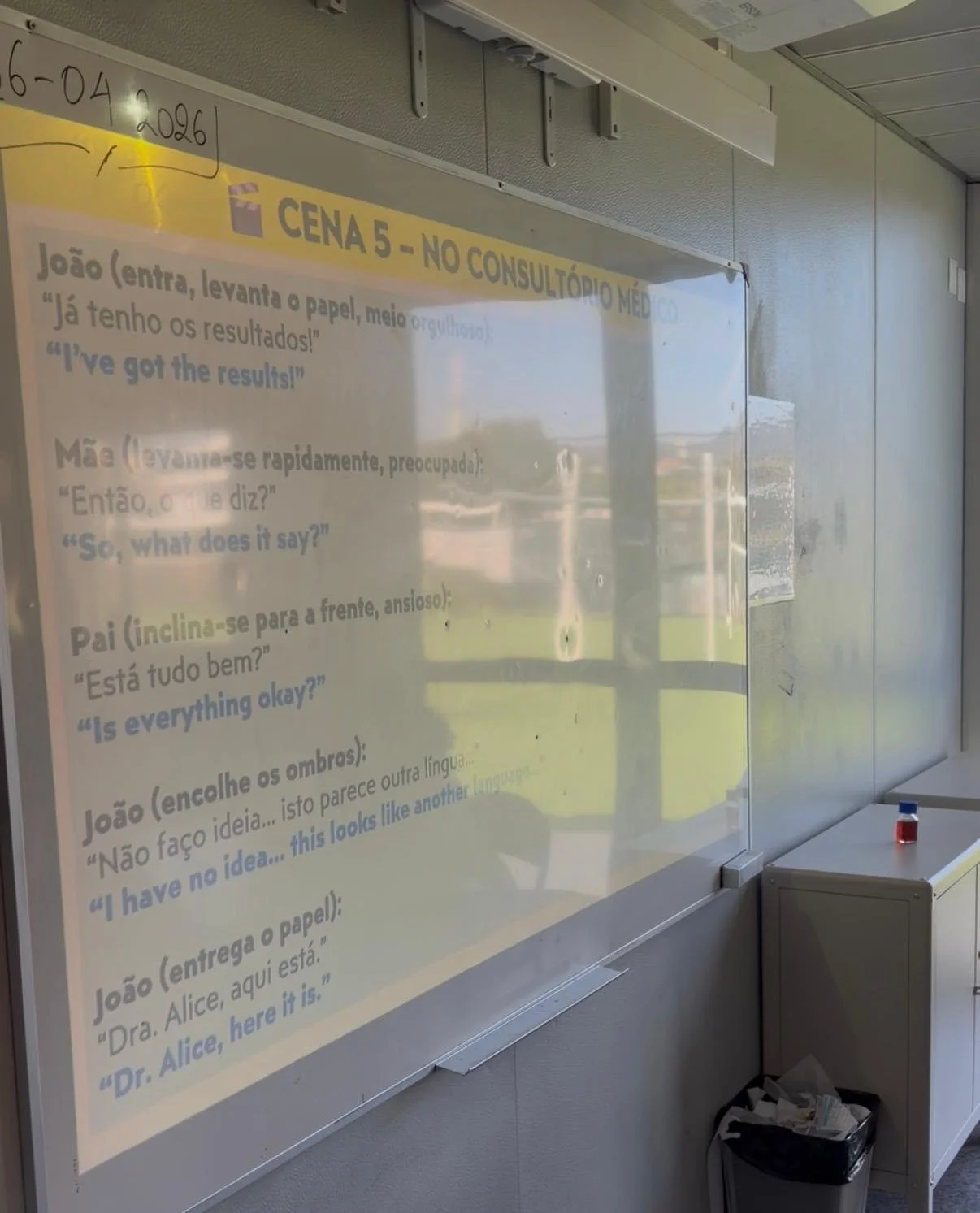
The lesson was built around a realistic scenario: a concerned family seeking medical advice about changes in their child’s urine. This led to a sequence of events including a doctor’s consultation, laboratory testing, and the interpretation of results by a clinical technician. Students took on different roles, bringing the scenario to life and actively engaging with the content.
While the activity was fun and highly engaging, its impact goes far beyond that. Role play is a powerful teaching strategy grounded in cognitive science. By placing learning in a real-life context, students are encouraged to retrieve and apply knowledge, make connections, and deepen their understanding. The combination of active participation, discussion, and storytelling supports stronger memory retention and helps students build confidence in using scientific language.
To consolidate learning, the lesson concluded with a short quiz focused specifically on the concepts explored during the role play, allowing for immediate assessment and reflection on students’ understanding. It also promotes key skills such as communication, critical thinking, and collaboration, all of which are essential in science education.
The students’ enthusiasm was clear — and they are already asking for more! Activities like this show how active learning approaches can make a real difference, helping students not only enjoy science, but truly understand it.
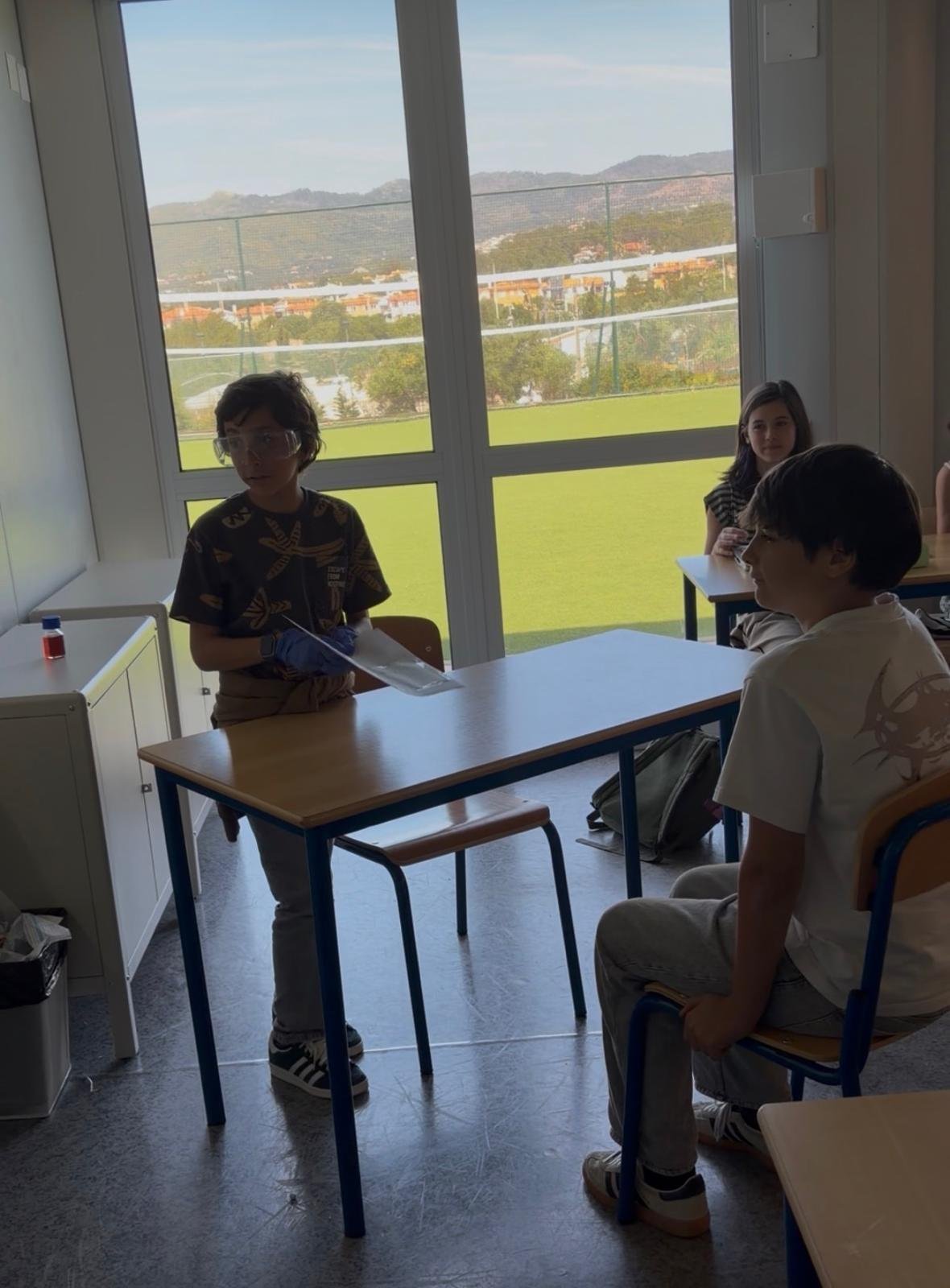
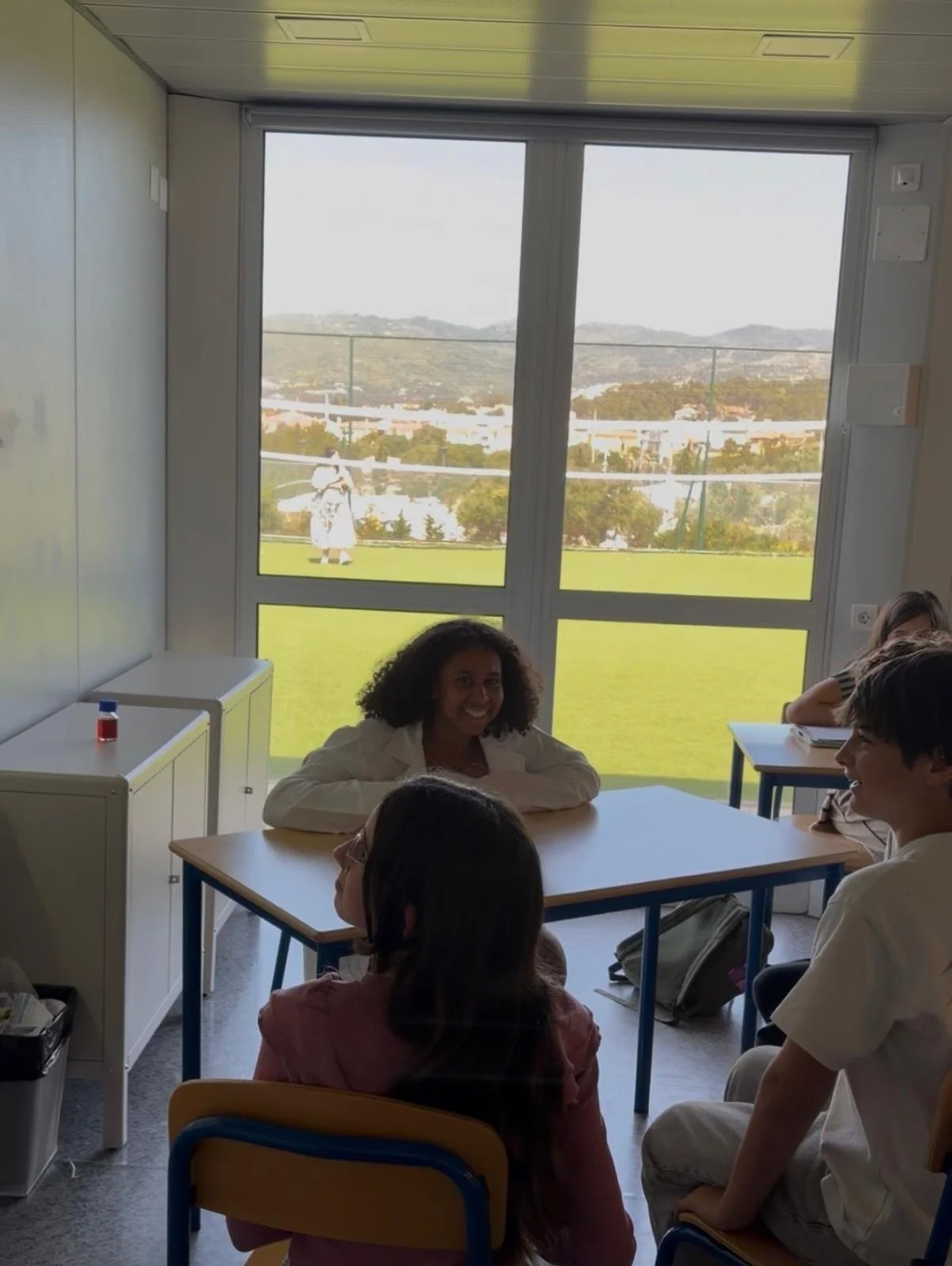
Os alunos de Grade 6 participaram recentemente numa atividade de role play sobre o sistema urinário, pensada para consolidar e aprofundar a aprendizagem do sistema excretor de forma significativa e envolvente.
A aula foi construída em torno de um cenário próximo da realidade: uma família preocupada com alterações na urina do seu filho procura apoio médico. A partir daí, os alunos deram vida a uma sequência que incluiu consulta, análises laboratoriais e a interpretação dos resultados por um técnico de análises clínicas. Cada aluno assumiu um papel, contribuindo ativamente para o desenvolvimento da história.
Para além de divertida, esta abordagem tem uma forte base pedagógica. O role play permite que os alunos apliquem conhecimentos em contextos reais, promovendo uma aprendizagem mais profunda. Ao participarem ativamente, recorrem à memória, fazem ligações entre conceitos e desenvolvem a capacidade de comunicar ciência de forma clara — aspetos fundamentais segundo a ciência cognitiva para uma aprendizagem duradoura.
Para consolidar as aprendizagens, a aula terminou com a realização de um quiz focado nos conteúdos explorados durante o role play, permitindo uma avaliação imediata da compreensão dos alunos.
A atividade promoveu ainda competências como o pensamento crítico, a colaboração e a confiança na utilização da linguagem científica.
O entusiasmo dos alunos foi evidente — e já pedem mais! Momentos como este mostram como estratégias ativas podem transformar a aprendizagem, tornando-a não só mais motivadora, mas também mais eficaz.