
Exploring Life from the Inside | Explorar a Vida por Dentro
Grade 11 Biology students recently took part in a hands-on practical lesson exploring the heart and respiratory system through the dissection of real organs. This activity marked the culmination of their study of two of the most complex and fascinating systems in human physiology.
Throughout the unit, students had been learning about the intricate structures and processes that allow the circulatory and respiratory systems to function efficiently. The practical session provided a unique opportunity to move beyond diagrams and models, allowing students to observe directly how real biological structures are organised and adapted for their functions.
During the dissection, students carefully examined the heart, lungs and trachea, identifying key anatomical structures and relating them to the physiological processes they had studied in theory. Seeing the thickness of the heart muscle, the branching of the airways, and the elastic texture of lung tissue helped students understand how structural adaptations support essential functions such as pumping blood and facilitating gas exchange.
This type of practical exploration is fundamental in Biology education. By engaging directly with real biological specimens, students deepen their conceptual understanding and develop important scientific skills such as observation, questioning, and anatomical identification. The activity also encourages respectful engagement with living systems, reinforcing the importance of ethical and thoughtful study of life.
To connect the anatomical exploration with human physiology, students also had the opportunity to measure blood pressure and discuss the factors that influence it. This allowed them to link classroom learning to real-life health and well-being, reflecting on how lifestyle, diet, and physical activity can affect cardiovascular health.
Practical experiences such as this one are essential in bringing Biology to life. By combining theoretical knowledge with direct observation and inquiry, students gain a richer and more meaningful understanding of how the human body works.
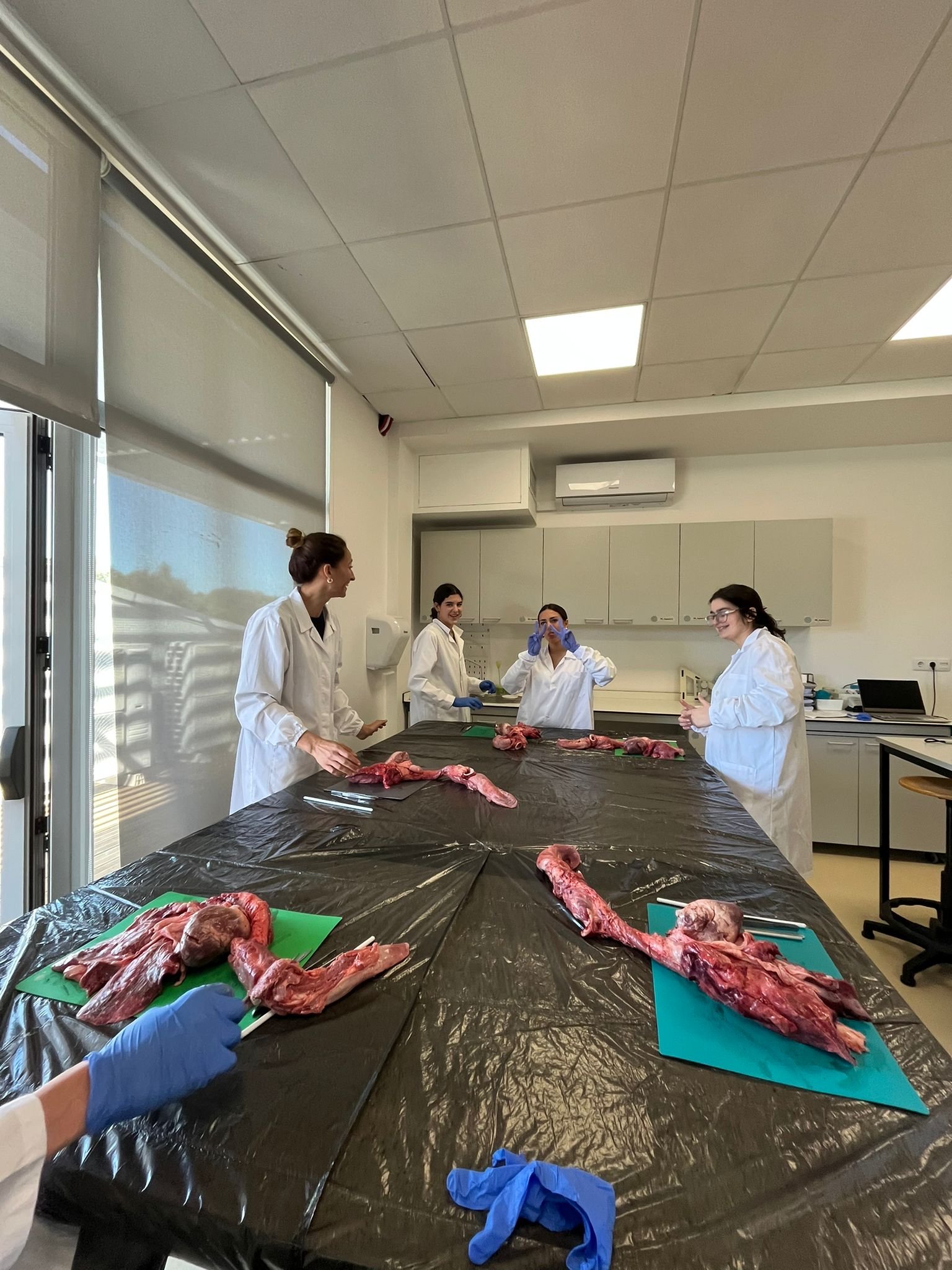
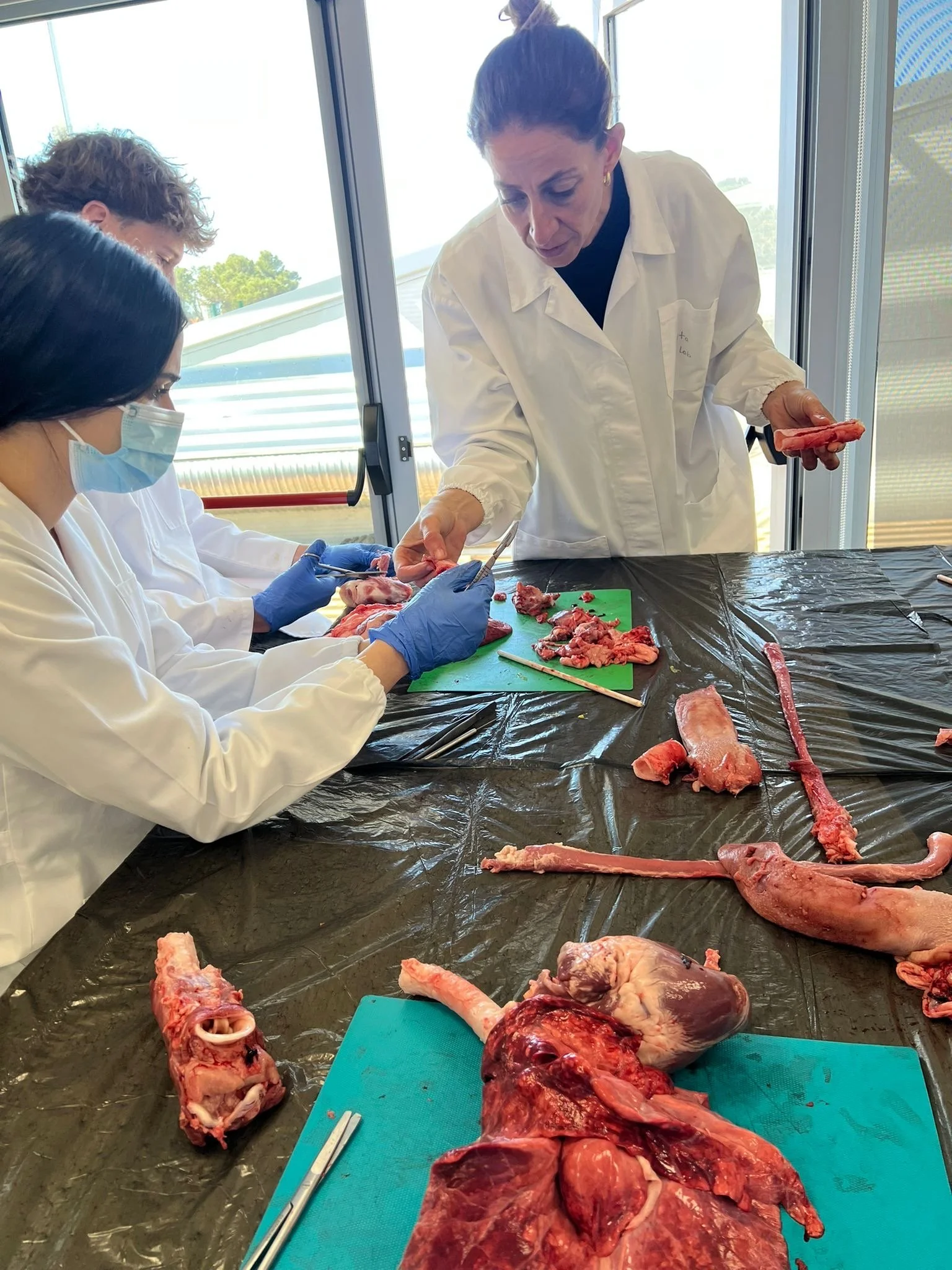
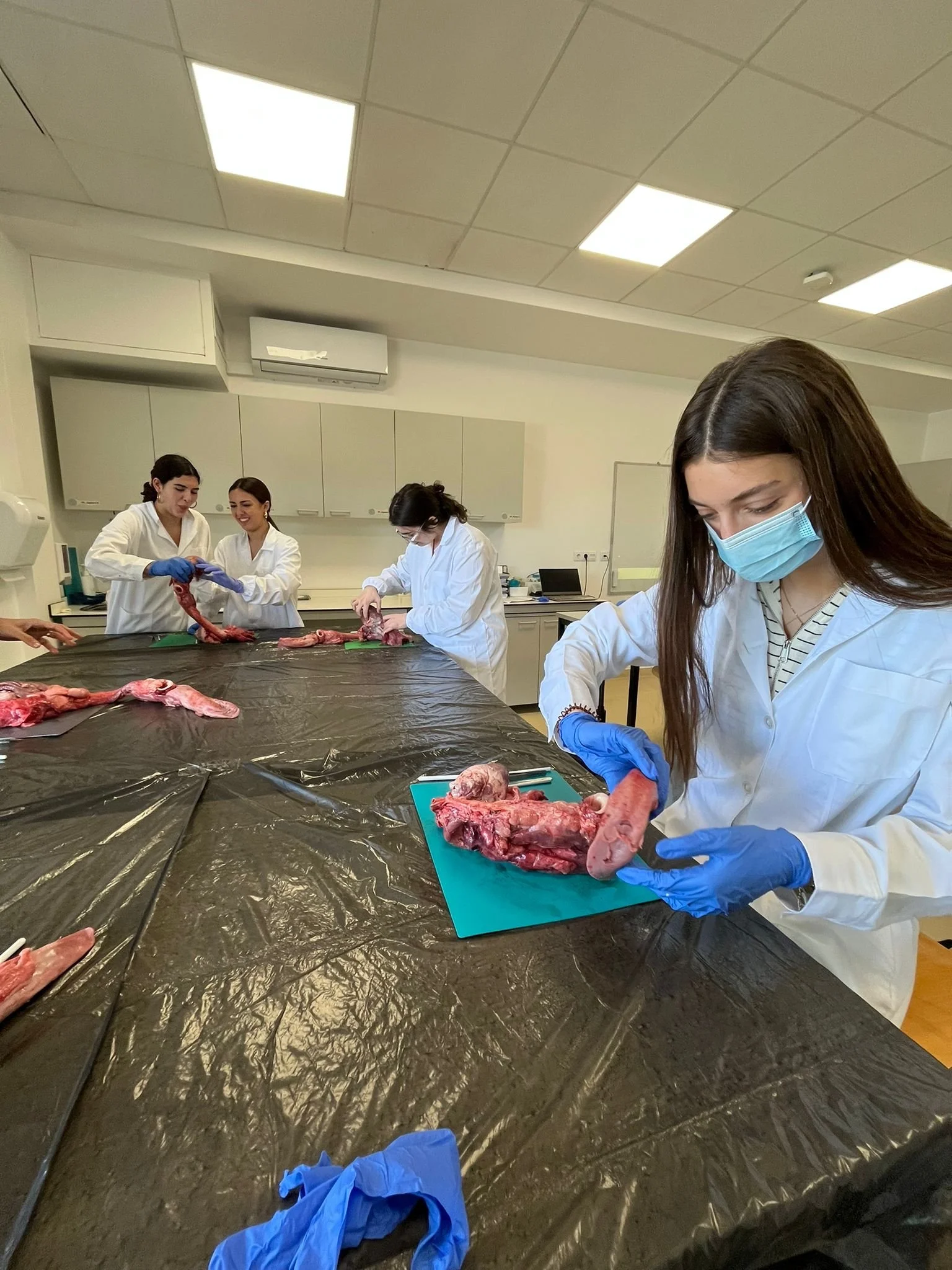
Os alunos de Biologia do 11.º Ano participaram recentemente numa aula prática dinâmica, explorando o coração e o sistema respiratório através da dissecção de órgãos reais. Esta atividade assinalou a conclusão do estudo de dois dos sistemas mais complexos e fascinantes da fisiologia humana.
Ao longo da unidade, os alunos aprenderam sobre as estruturas intrincadas e os processos que permitem o funcionamento eficiente dos sistemas circulatório e respiratório. A sessão prática proporcionou uma oportunidade única de ir além de diagramas e modelos, permitindo aos alunos observar diretamente como as estruturas biológicas reais estão organizadas e adaptadas às suas funções.
Durante a dissecção, os alunos examinaram cuidadosamente o coração, os pulmões e a traqueia, identificando estruturas anatómicas essenciais e relacionando-as com os processos fisiológicos estudados em teoria. Observar a espessura do músculo cardíaco, a ramificação das vias respiratórias e a textura elástica do tecido pulmonar ajudou os alunos a compreender de que forma as adaptações estruturais sustentam funções vitais, como o bombeamento do sangue e a realização das trocas gasosas.
Este tipo de exploração prática é fundamental no ensino da Biologia. Ao contactarem diretamente com espécimes biológicos reais, os alunos aprofundam a sua compreensão conceptual e desenvolvem competências científicas importantes, como a observação, a formulação de questões e a identificação anatómica. A atividade também promove uma abordagem respeitosa aos sistemas vivos, reforçando a importância de um estudo ético e ponderado da vida.
Para relacionar a exploração anatómica com a fisiologia humana, os alunos tiveram ainda a oportunidade de medir a pressão arterial e discutir os fatores que a influenciam. Isto permitiu-lhes ligar a aprendizagem em sala de aula à saúde e ao bem-estar no quotidiano, refletindo sobre a forma como o estilo de vida, a alimentação e a atividade física podem afetar a saúde cardiovascular.
Experiências práticas como esta são essenciais para dar vida à Biologia. Ao combinar conhecimentos teóricos com observação direta e investigação, os alunos adquirem uma compreensão mais rica e significativa do funcionamento do corpo humano.